
If you own a business in a small town, you are likely always looking for ways to bring in new customers. Word of mouth is one of the greatest lead generators; just do a great job and people are likely to talk to their friends about you. But word of mouth will only get you so far.
You’re in a small town; so in order to grow, you’ll need to get the attention of people from neighboring towns and cities. Business owners in a smaller town often assume that marketing to new audiences means they have to spend a lot of money, but getting new customers into your business utilizing local SEO tactics doesn’t always mean breaking the bank.
A blend of traditional and creative marketing may be the best option for your unique budget and brick and mortar pain points. Here’s 5 methods on how you can get your small business noticed on a small budget.
But first…
A quick exercise!
Before you even think about how to advertise and market on a small budget, the most important thing you can do is decide what makes your business or service unique. Think about it for a moment before you continue reading.
Did you say something like “quality,” or “customer service,” or “price?”
I hate to burst your bubble, but that’s what everyone says. If you remove all of those easy answers that your competitors are probably saying, what actually makes you / your business unique?
Perhaps it has to do with how your business was founded or your backstory. Maybe it has to do with something extra that you offer each of your clients to make their visit with you memorable. It could be as simple as you offer something people can’t get anywhere else in town, like pizza with ramps on it. Maybe it’s even easier than that. And if you can’t think of anything at all, it’s time to brainstorm!
Why are we insistent on this little exercise?
Because running ads for your company without offering something unique is basically throwing your money away.
And whether you’re on a small town budget or a city budget, you probably don’t like the idea of throwing money away. In any case, once you’ve figured out your unique offering, keep reading!

Get your business online
You’ve probably heard this a thousand times already, but it’s true, and it doesn’t require you to be super computer / internet savvy. With nearly everything moving online, it’s more important than ever that your small town brick and mortar business has an online presence. Try looking for your business online and see what comes up. Then, try looking for a competitor, and see how you compare.
One of the easiest ways to get your business online is to sign up for a Google My Business account. As of right now, at least, this is completely free, and requires only your time and some effort. If you’ve been in business for a while, a listing for your business probably already exists on Google Maps, so you’ll just need to find it and go about claiming it.
Once you’re online, you’ll also need to stay aware of your online reputation. One of the biggest things people use to decide which brands to work with is their reviews, so make sure you are making every effort to request new reviews from existing clients.
Pro Tip: Bad reviews are inevitable, as you can’t make everyone happy. It’s just a matter of time before your first bad review comes in, but don’t fret; there are a number of potential avenues of getting the review removed. And if you can’t do that, then just keep your head up and bury it with positive reviews.
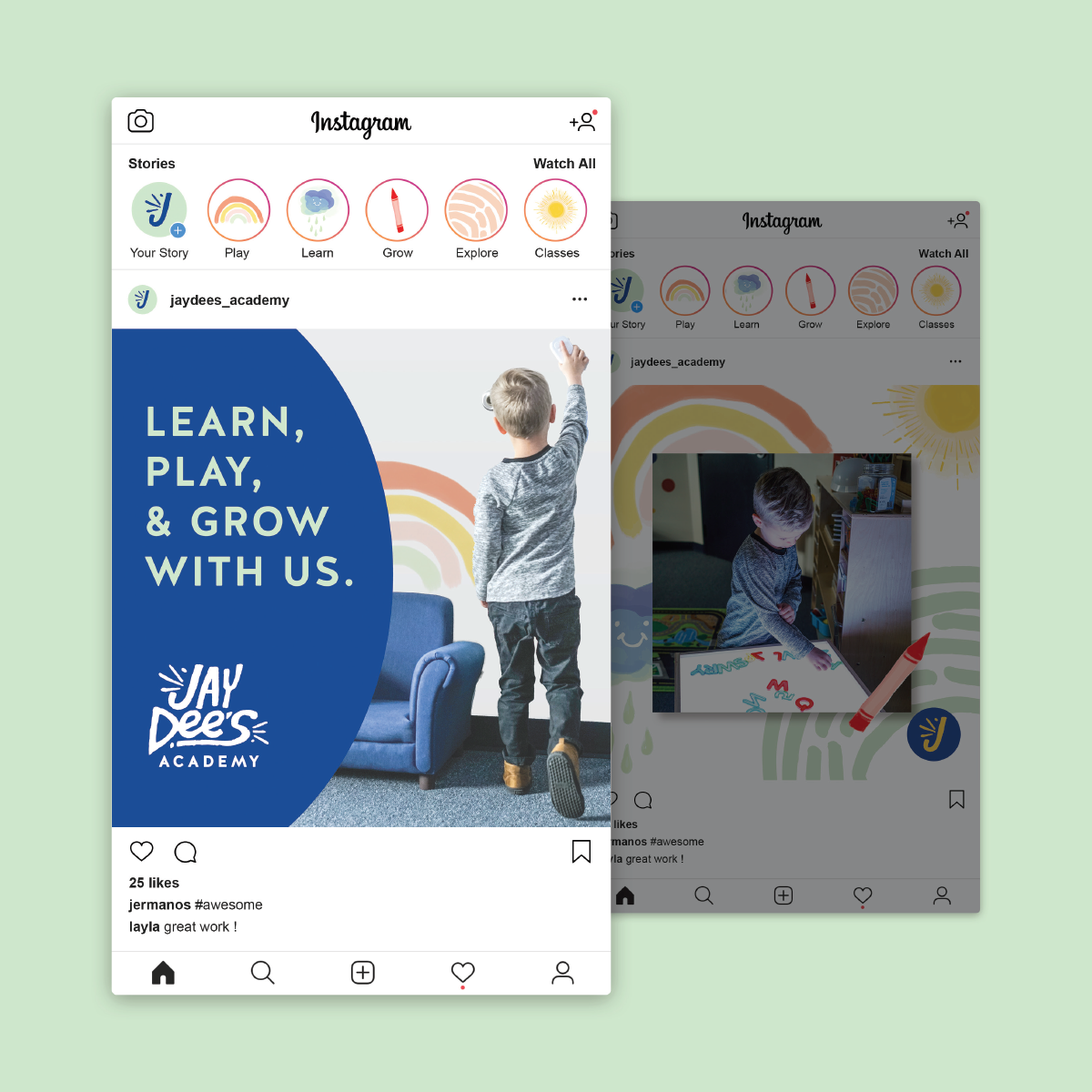
Give your business a digital presence on social media
Saying that a person doesn’t live in your small town doesn’t mean they don’t want to come and see you in person.
We see it over and over again where a small business just doesn’t invest time into making an effort on social media. Sometimes they don’t know what a social media strategy looks like, or how it can work to expand their foot traffic.
Pro Tip: It doesn’t matter what you sell. Services. Products. Food. Harmonica repairs. Trash service. Social media needs to be in your marketing deck.
If you don’t have a physical location and you have a small local customer base, make social media one of your primary marketing focuses. Build your following and engage with potential customers on a regular basis.
While it’s easy to go around town, taking pictures of beautiful scenery, friendly people, and the newest storefronts, knowing your customers helps you better target your marketing efforts and make content that caters to what they want to see – so step away from pushing 100% filler content when you can! If you work in a town that caters to tourists, then it’s important that you know how to reach out to them, aligning your services with what they’re doing.
Advertising on social media can be extremely powerful for getting your business in front of the right people, as well, and it’s much cheaper than traditional advertising. Facebook and Instagram, for instance, allow you to choose specific geographies to put your ads in front of. So, for example, if you own a restaurant and know that many people travel on the weekends to your town to “escape the city,” why not try advertising your restaurant in that city on Thursdays and Fridays? Create a static ad showing off your restaurant’s atmosphere, or a carousel ad showing off some of your more popular / high margin dishes. And remember to talk about what makes you unique!
If you don’t want to reach a whole city, and have something more specific in mind, you can pull that off on social media as well. The technique of targeting very specific locations, down to the individual building, is usually referred to as geofencing. Not only can you be very specific about who you want to reach, but since you have the potential to only pay when someone interacts with your ad, the specificity of your targeting means that geofencing probably won’t cost you much.
The best options for geofencing are places where people will have a lot of down time. For example, a car detailing service might geofence the local DMV, knowing that people will likely be inside scrolling Facebook while they wait potentially hours for their numbers to be called (and they’ll already be naturally thinking about their cars).
A holistic healer might geofence a doctor’s office counting on people looking for alternatives, or potentially a chiropractor’s office or spa knowing that the person is more accepting of alternative medicine. A high end tailor might want to geofence private terminals at airports, knowing that those patrons present can likely afford a fancy suit.
Where will your potential clients be stuck and probably looking at their phones?
Create a newsletter
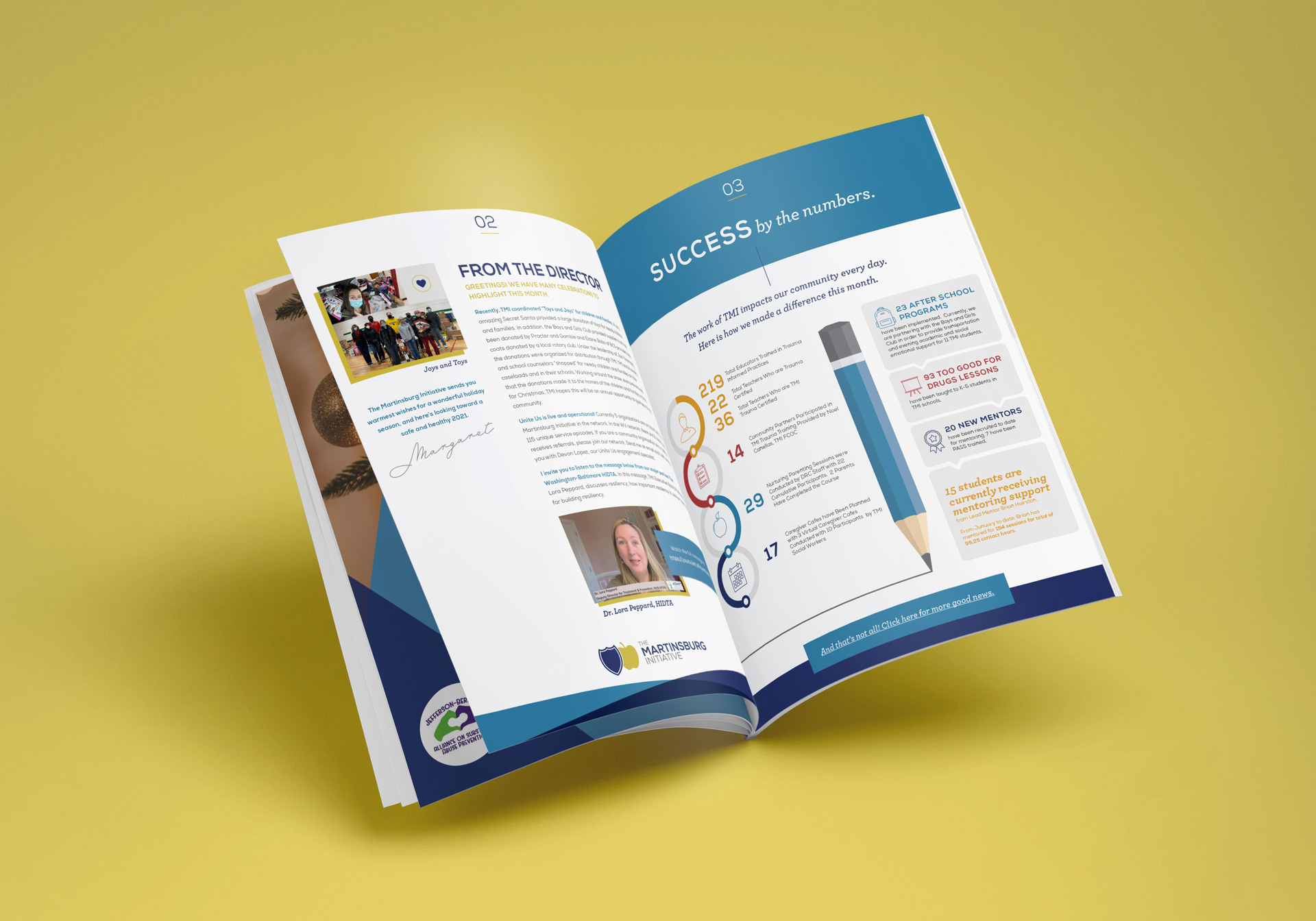
Don’t currently ask for people’s email address? You should start! Many people are happy to offer it up, especially if it is in exchange for some sort of incentive. Once you start collecting customer emails, you can reach out to them on a regular basis. Keep them abreast of current and upcoming specials, answer frequently asked questions about issues and problems important to your customers, send them coupons, let them know about new and/or restocked products, remind them about upcoming events or appointments, and even ask them for reviews or offer incentives for referrals.
More importantly, don’t be afraid to be yourself in the emails. Use humor, and share interesting facts and quotes; not everything in your newsletter has to be directly related to what your business does. The more entertaining your email is, the better chances you have of one of your existing customers sharing it with someone who is not yet a customer. If you email Ted, and Ted gets a chuckle from your email, he might forward it to Nancy who will also get a chuckle. Nancy might then decide to do business with your company, purely because you were humorous or clever in the email. It may sound like a long shot, but we’ve seen it work to great success countless times. You can also use a tool like Google Trends to look up popular and trending topics to connect your brand and business to, which will come off even more clever to your email list.
So, does sending the email newsletter cost money?
It doesn’t have to! There are free options online, such as Constant Contact or Mailchimp, that while limited in capabilities will still allow you to get your regular emails out. Writing your newsletter usually just requires some time, so the chances of getting a decent return on investment are good, even if it is just from existing customers. You could consider doing a physical newsletter too, but then you’d have the cost of printing and distribution to account for. Perhaps something to keep in your back pocket for now.
Tap into your town’s existing resources
When it comes to marketing a small business, the most important thing is to use resources already available to you. For example, you might be able to find local businesses in your community that could benefit from your product or service. Go online and look for who your neighbors are. Think about your friends and family and their businesses and places of work— can their businesses use your product or service, and/or would they be willing to let you promote it there?
If you haven’t already joined your local town’s Chamber of Commerce, consider it. Not only is it great for networking, but many chambers offer additional marketing opportunities, like email ‘blasts’ to people you haven’t already reached. You’ll likely get a high quality backlink to your website, as well, which can be good for SEO purposes.
Your town might also have some promotional / downtown nonprofit groups that exist purely to inject new life into the area. Many of them offer highly affordable sponsorship opportunities, like displaying your logo on a banner around town. Check in with your local convention and visitors bureau, if your town has one, to see about sponsorship and advertising opportunities there as well.
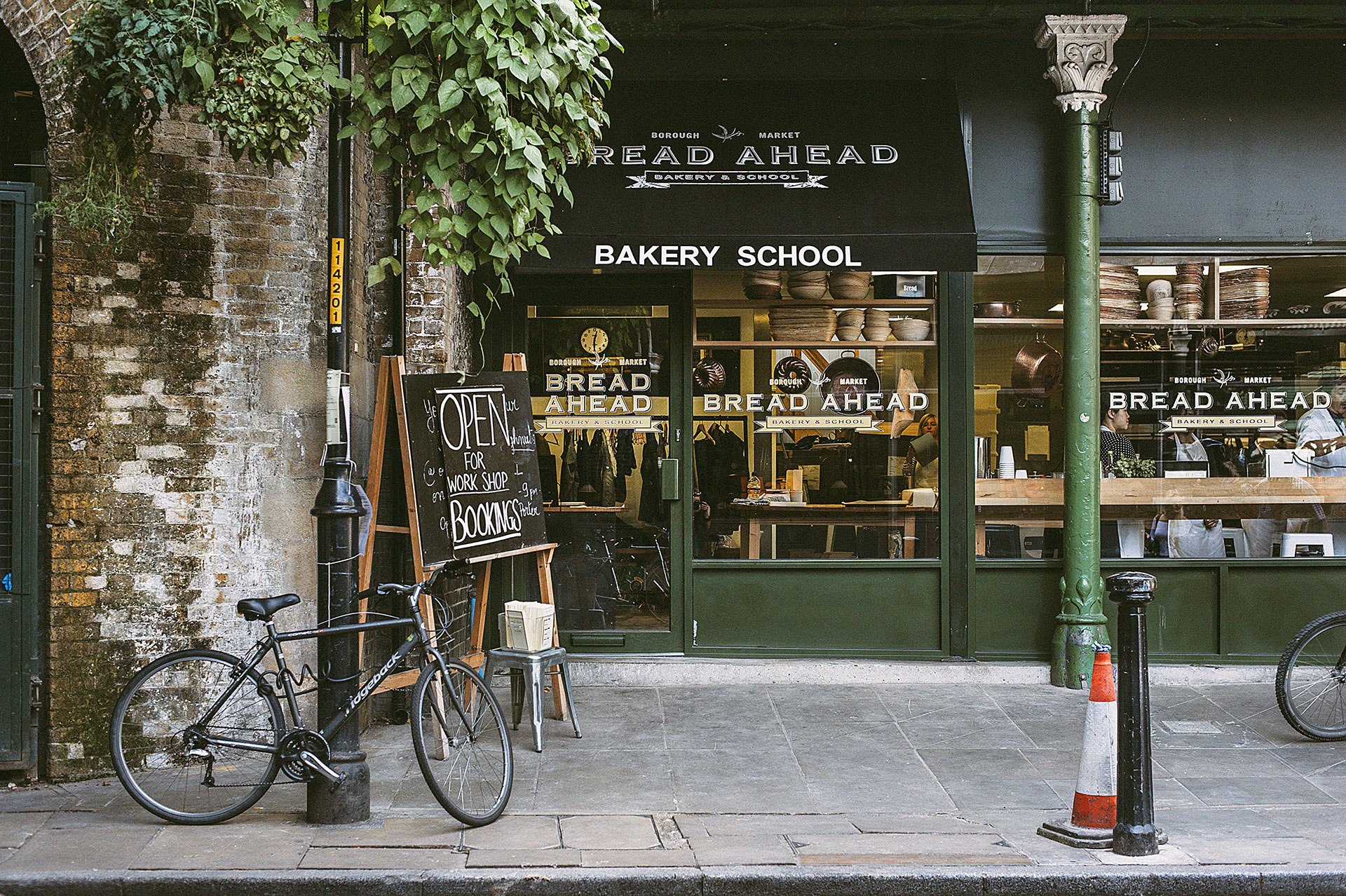
Get creative with your marketing
In most cases, classic marketing requires putting your own money into advertising of one type or another. This might include paying for billboard advertising, flyers, and advertisements on bulletin boards at businesses. But when you have no time, money, or staff, you have to find ways to draw attention frugally. We’re not talking about skulking around a parking lot putting flyers under people’s windshield wipers. It requires a lot of creativity to make your business stand out and be unique without breaking the bank or giving people a bad initial impression of your business. After all, if it were easy, and cheap, everyone would be doing it. Including your competitors!
Guerilla marketing is a unique strategy that refers to some sort of out-of-the-box, noticeable marketing strategy, which is usually in a public place. One of the great things about guerilla marketing is that the techniques can be very inexpensive. The only challenge is coming up with your guerilla marketing method!
One idea we’ve seen done successfully requires only a power washer and your time; a business looking to get some free advertising will create a stencil with their business information (or a catchy tagline), and then power wash it onto nearby dirty sidewalks. When people are out and about in town, they’ll almost certainly see your “ad,” and the uniqueness of its application will likely have a lasting impression. This technique is sometimes referred to as “reverse graffiti.” You’ll of course want to check your local municipality’s laws to make sure you’re allowed to do it, but after all, you’re just cleaning the sidewalk, right?
Another easy example of guerilla marketing is the creative use of projectors. Look around your town for a plain canvas, like the side of a building with minimal windows. All you’ll need to do is figure out how to get a projector running nearby / across the street from that “canvas” on key evenings when a higher volume of people will be out and about. Think “Batman sign.” Except in your case, you’ll be projecting your business logo or something catchy to get on people’s radar. If you are lucky enough to know the owners of a building across the street, this will probably be easy to pull off. It can’t hurt to ask the owners / tenants if you have a certain location in mind; they might say “no” but you’ll never know if you don’t ask! You should also check with your local municipality on the legality of this before jumping into doing it; make sure your projection isn’t blinding anyone or interfering with drivers etc.
Similar to projection but a little more permanent / potentially expensive, you may be able to either paint a mural or have one painted on the side of your building (or even a neighboring building) to help draw attention to your business and/or offerings. Check with your local city business officials to see if you are able; they might even offer incentives for doing so because a well done mural can add to the charm of your town. Especially if you are lucky enough to be close to or inside of an arts/entertainment district!
The best marketing techniques just boil down to thinking about where your clients already spend their time, and figuring out how you can get a presence there for cheap and unoffensively. A DUI attorney, for example, could have some cheap coasters printed to distribute at a local bar.
What are you waiting for?
With spring and summer approaching quickly, and people eager to get out of the house, it’s the prime time to do some serious marketing for your small business. Show off what your business has to offer to the people in your small town and do it with a mix of traditional and creative methods. And if you decide you want some help from a trusted and experienced small town marketing agency that can help you make a big ruckus, give us a call at (304) 207-0678 or contact us online.
Confession: This article was written with a little help from Sprout, the LovelyPixels Content and SEO Helper Bot 🙂

