
The internet dominates our reality. People from around the world access information online on a daily basis from a variety of different devices. As a business, you need to make sure you can be found: but it’s more than just having a website. You need the right web design.
“We stress it with clients often – but having websites that convert mean being organized and intentional with the hierarchy of your site. If it’s cluttered and not easy to navigate – you’ve lost your audience (often, for life).”
A lot of small businesses aren’t using the internet to their benefit. For many of the clients we interact with, the reason behind this is that they believe it costs too much to develop and maintain a goal-driven website. And while it does cost to be online, not having a website is likely costing you more than you realize.
Once you’ve decided to take the plunge and invest in yourself and your business, making sure you have the right web design is essential. That includes making sure your website is organized. Here are some of the things you need to consider:
How Easy Is Your Site to Navigate?
There are millions of business websites online, which means that if you want to stand out from the competition, you need to make sure your website gets right to the point and is easy to navigate. If customers have to spend a lot of trying to find what they’re looking for or to figure out how to use your site, they’ll give up and find another place to shop.
It’s advised that you keep your site as simple as possible. That means having as few pages as possible, making it easy to move from one page to another, being able to add items to the cart quickly and easily, then making the payment process straightforward. These aren’t the only ways to make your site easy to navigate and keep it organized, but they are a start.
“Even if you have a 600 page website, it shouldn’t FEEL like it.”
What Pages Should Visitors Be Able to Access?
One of the biggest misconceptions about web design is that every single page you have for your site needs to be included in the main navigation. That’s not true. You can link certain pages, such as geo-targeted or specialty pages, in site content.
Knowing which pages are needed in your main navigation menu and which ones can (and should) be secondary can get confusing. Having professional help with this process is in your best interest.
Customers Have Short Attention Spans
On average, a person surfing the internet has an attention span of about eight seconds. That means if you want to grab their attention, you have an incredibly short amount of time to do it in. The easier your site is to navigate, the better the chance you have of keeping customers interested in what you have to offer.
Limiting the number of pages on your site could be what you need to make your webpage simple and engaging, which could lead to more sales for your business.

Do Customers Know When Your Site Begins and Ends?
This may seem like an incredibly silly thing to consider when it comes to web design, but you’d be surprised at how many customers get confused when shopping online. Having a homepage that helps direct people to where they want to go is not only beneficial but necessary.
It’s also helpful if a person knows when they have completed their transaction on your page. If they have to guess whether or not their payment went through, they may decide not to buy from you again in the future.

Is Your Site Pleasant to Look At?
Having the right color scheme on your webpage could be the difference between keeping customers on your site and sending them away. Not only should they be able to read text, but you also need to have images that attract attention.
Using your webpage as an extension of your branding is beneficial, and the right web design will ensure that once a person clicks onto your page, they’ll instantly recognize that they are in the right place. If they are new customers, then staying consistent with your color scheme is a great way to embed yourself in their brains.
Are You Easy to Get in Touch With?
In the past, one of the easiest ways for customers to get answers to questions they might have was to access a FAQ page. While this can still be beneficial, it may not address all of the concerns or questions a person might have.
In addition to FAQs, you also need to include an email address, contact form, and a phone number so that people can get in touch with you. This may seem like overkill, but every person has their preferred way of getting answers, and offering a variety of options lets customers know you care.
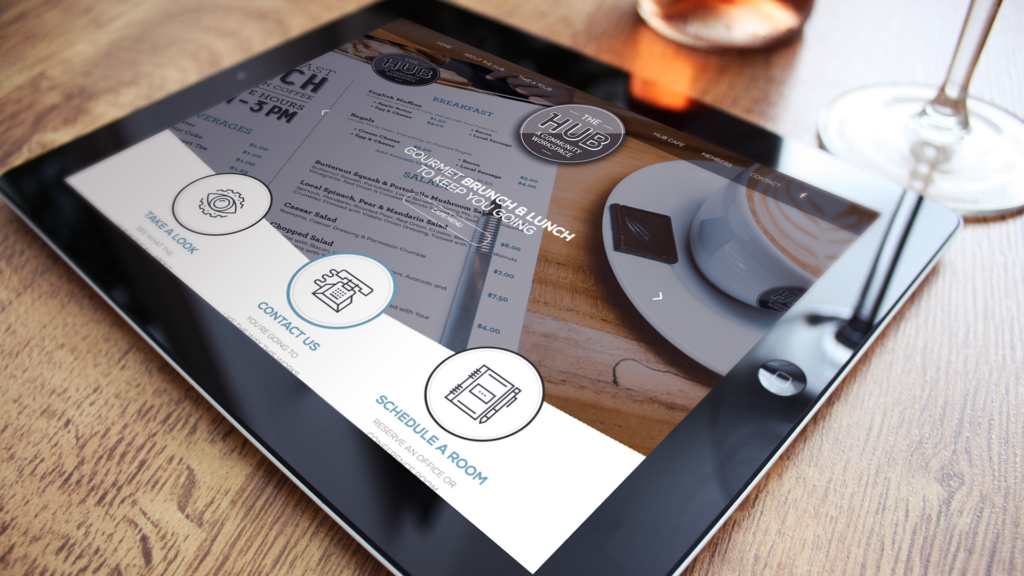
Is Your Site Optimized for Search Engines, Social Media, and Mobile Devices?
Back in the day, when the internet was young, all you had to worry about was making sure your webpage was optimized to be found by search engines. That meant having the right keywords and phrases.
Being SEO optimized is still important, but you also have to make sure your information can be accessed through social media and on mobile devices. A lot of people use their phones to find stuff online, as well as to make purchases, so having a site that can be viewed and used on a smaller screen is essential.
The Rise of Social Media
Social media sites such as Facebook, Instagram, Twitter, and others are incredibly popular because they allow people to connect with friends and family, as well as others from around the world. With so many current and potential customers using these sites, your business should be on there as well.
Leveraging social media to direct people to your site requires organization. If you lure someone away from their “fun,” you had better give them a good reason to stay on your page.
Is Your Site Flexible and Easily Updated?
What people expect the internet to look like changes over time, as does how search engines find information. Having an organized webpage means that it will be flexible and easy to update. The last thing you want is to have a page that looks out of date and old. This isn’t appealing to visitors at all.
Of course, staying on top of the latest internet trends, along with the rules and regulations, can be incredibly time-consuming, and you have a business to run. That’s when working with a professional that has all of this information at their fingertips works to your advantage. They’ll even be able to update your site to make sure it stays relevant.
Have You Considered Your Ideal Audience?
Creating an organized, appealing website means that you have a specific audience in mind. You might think that everyone in the world wants or needs what you have to offer, but this isn’t true — and it will make selling your service or product that much harder.
Think about who your ideal customer is, and then tailor your webpage to meet their needs. Knowing your audience and giving them what they want could ensure that you make sales and run a successful business.
When it comes to web design, having an organized website could be the difference between attracting customers and making sales or getting lost online. If you’re ready to take your small business to the next level, contact Lovely Pixels today.

