
As much as some people would like to have you believe, it isn’t just a simple as throwing someone five dollars and asking them to design something that ‘looks good.’
Here are some things to consider when you’re planning your next design project:
What are your brand guidelines?
The do’s and don'ts of what is acceptable to represent your business. This should include everything from the fonts you use, how small your logo is allowed to be printed, the colors that your production team can use - even down to what your business cards should be printed on! These guidelines help ensure that even if you’re using 3 different media houses to make your artwork, they all come out feeling like a cohesive family, instead of a chaotic mosh pit of textures, colors and typography that doesn't align with you.
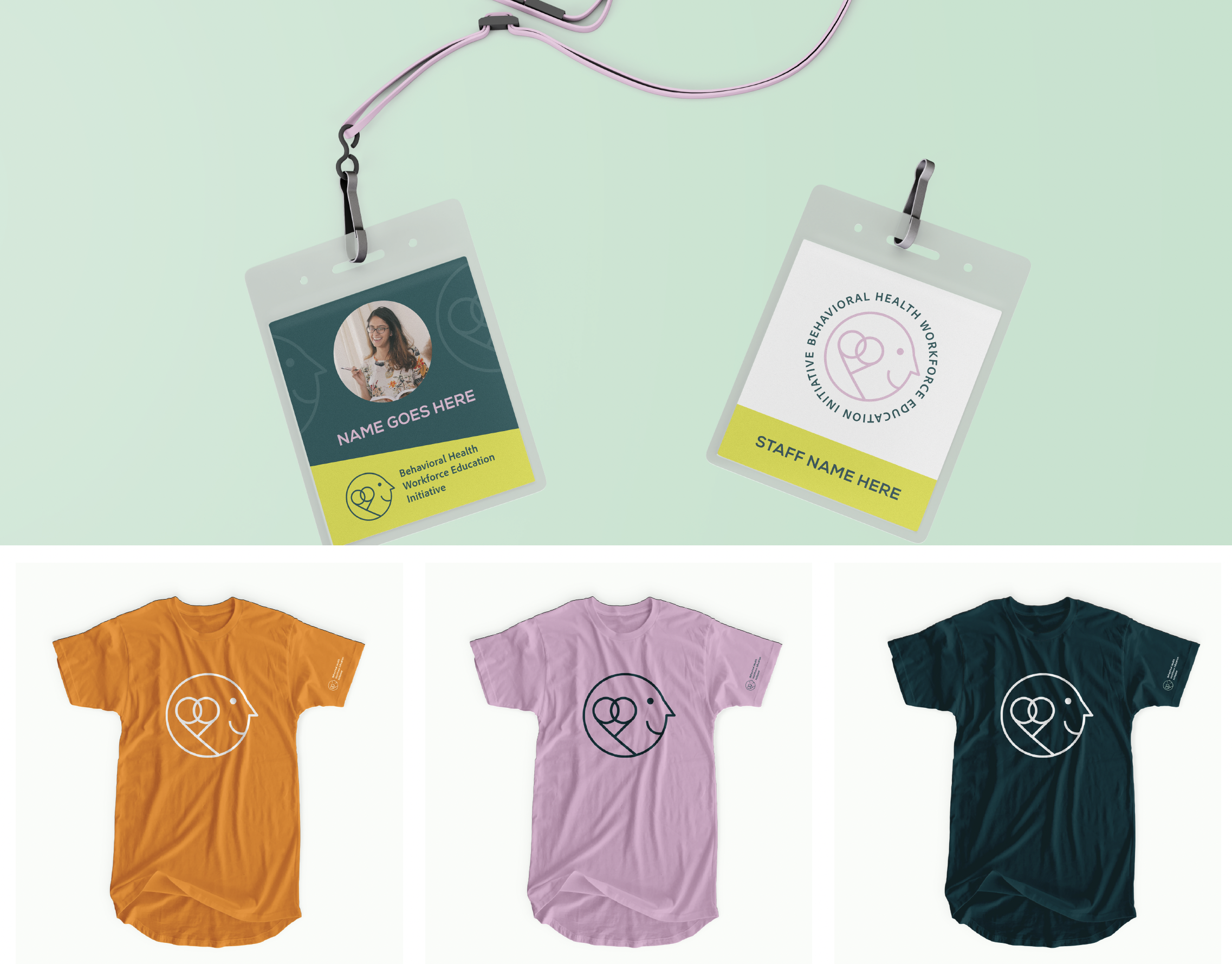


Beauty and Brains!
Any project in life needs to balance form and function to be a success, and when it comes to design we know that every project has the power to be beautifully designed and effectively marketed. Don’t just encourage your design team to make something that looks superficially good, but instead focus on how you can also measure the marketing results and engage with people to call them to action.
For instance, if you put together a mailer that you’re sending out with a special offer - go the extra step of putting a specific web address, email address and phone number on the mailer. This will help you monitor how much activity coming into your business came directly from that marketing piece, which can help you determine if the financial investment is worth continuing later on.
Where's your personality?
Have you ever received one of those ValPak kits in the mail, and every advertisement feels like the same person wrote the copy and designed the artwork?
For some industries, going corporate, clean and middle of the road is just the market they have to play in, and there isn't much wiggle room for adding some flare and sass.
But when it comes to small business, the best way to stand out is to capitalize on your own personality. Make sure that the graphic design work going out to market reflects your business’ personality, and not the personality of the person who drew it.
Does the messaging deliver to your targeted market?
Since we know graphic design is all about contributing to your reputation in both the digital and print playscapes, you’re going to want to guarantee that your marketing piece is making it in front of the people you want to reach, ensuring the best return on investment.
For example, if you’re a vacation planner and you solely coordinate luxury yacht vacations for the wealthy, sending out mass mailers is going to equate to large spend and an almost non-existent return. But marketing to CEOs personal assistants and ensuring that you’re engaging people on Instagram that crave and look for these kinds of luxury experiences will probably churn up some new conversations (and on a much smaller marketing budget).
Bad design is expensive!
In more ways than one.
Let’s say you hire a graphic designer that doesn’t have any experience in manufacturing, to layout your cardboard packaging. They’ve produced the art, and you’ve spent a few weeks going back and forth to fine-tune it with them so that it is just perfect.
But, upon taking the approved artwork to your manufacturing company to produce, you learn that their corrugated presses and print processes can’t produce the artwork at an affordable rate - as it has been designed - on the specific grade of material you need it to be on.
This kind of design pickle happens all the time, and no matter how you manage it, there will be bloated spending on either material upgrades, redesign needs and wasted time. Make sure that you’re hiring experienced professionals to tackle the to-do list at hand.
As a crew experienced in all facets of print and digital design, LovelyPixels has proven experience and senior graphic design talent to develop, refine and clarify your message. From doing customized illustrations with local artists and influences, to intertwining mixed media, we capture your culture, style and message.
